
The most dangerous DeFi transaction is often not the one with the highest gas fee. It is the one that looks ordinary until the wallet signs it. A token approval, a bridge deposit, or a swap can appear familiar while quietly changing what a contract is allowed to spend. That is why transaction simulation has become one of the most useful ideas in multi-chain wallet design—and one of the most misunderstood. Simulation can show a likely result before a transaction is broadcast, but it cannot turn an uncertain blockchain environment into a guaranteed one.
For US-based DeFi users, this distinction matters in practical ways. A wallet may connect to several networks, display assets across chains, and help a user inspect a proposed action. Yet each chain has its own state, fee market, contract ecosystem, and failure modes. The right mental model is not “the wallet knows what will happen.” It is “the wallet runs a conditional rehearsal using the information available now.” That is valuable, sometimes enormously so, but the conditions deserve as much attention as the result.
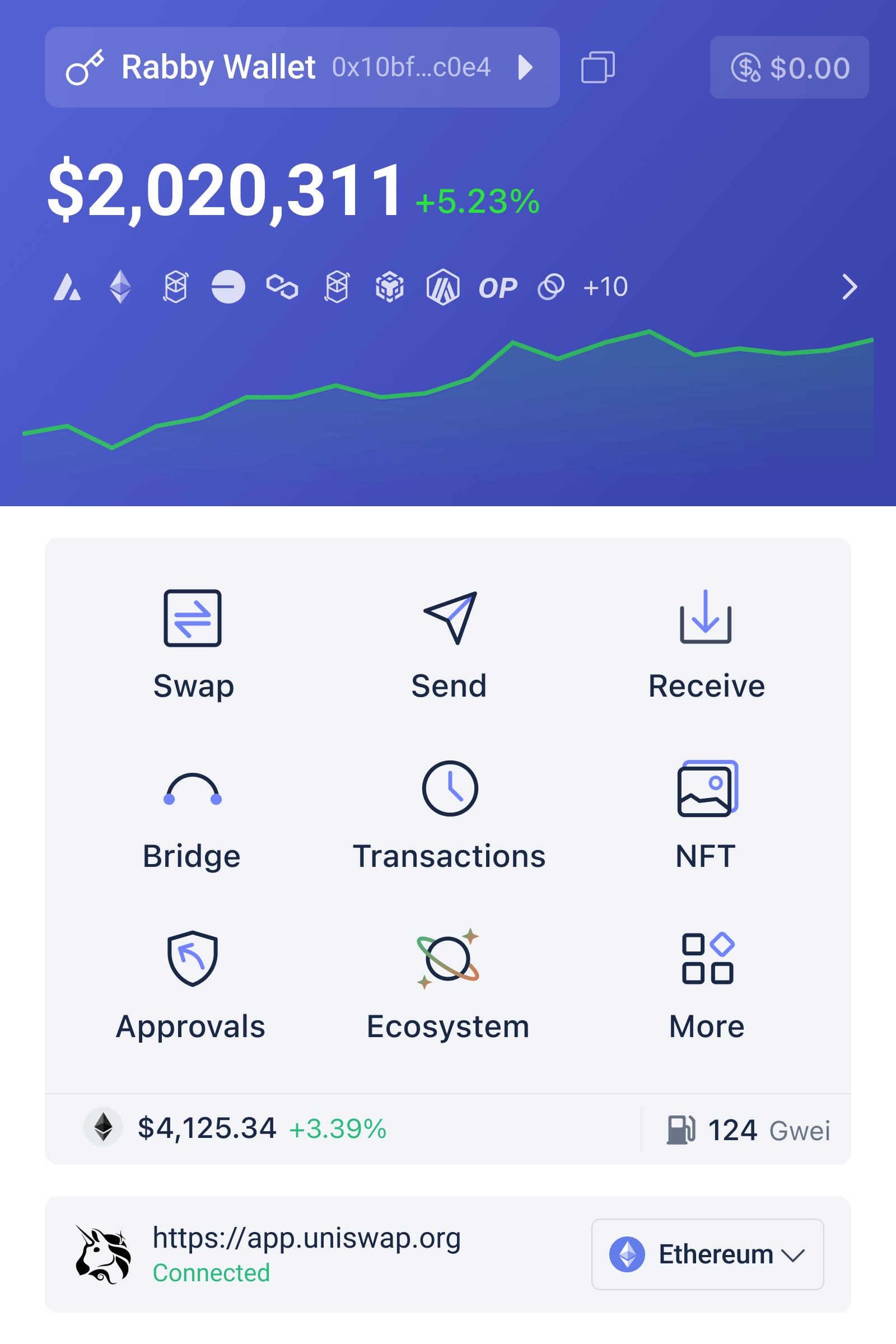
What a transaction simulation actually does
A blockchain transaction is an instruction sent to a network. It might call a decentralized exchange, transfer a token, deposit collateral, or approve a contract to move assets later. Before the transaction is finalized, a wallet can ask a node to execute a comparable call in a simulated environment. The call does not normally become part of the chain; instead, the node estimates what the contract logic would return under the current state.
That rehearsal can reveal useful information: whether the call is likely to revert, which assets may leave the wallet, which assets may arrive, how a balance could change, and whether the requested gas limit appears plausible. For a multi-chain wallet, the process must be performed against the relevant network. A simulation on Ethereum does not validate the same action on an Ethereum-compatible layer, a sidechain, or another chain merely because the interface looks similar.
This is the first misconception to discard: multi-chain support is not the same as unified blockchain truth. A wallet can provide one control panel while still interacting with separate ledgers. The user experience may be centralized into one browser extension, but the underlying state remains fragmented. Prices, token balances, nonce histories, contract deployments, and pending transactions can differ from one chain to another.
That fragmentation explains why simulation is more than a cosmetic feature. It helps translate low-level contract calls into a decision a person can understand: “This action appears to exchange one asset for another,” or “This approval gives a contract permission to spend a token.” The translation is not perfect, but it is often safer than asking a non-specialist to interpret raw calldata and hexadecimal addresses.
Myth versus reality in wallet transaction warnings
Myth: a successful simulation means the transaction is safe
Reality: simulation generally answers a narrower question—whether the call can execute under a particular snapshot of blockchain state. It does not prove that the contract is honest, that the token has value, that the price impact is acceptable, or that a malicious front end has not shaped the request in an unexpected way.
Consider a token approval. The simulated result may show no immediate transfer because an approval commonly changes permission rather than moving funds at that moment. The important risk is future behavior: the approved spender may later call a transfer function. A warning that distinguishes a limited approval from an effectively unlimited one is therefore more decision-useful than a simple green “simulation succeeded” message.
Myth: a failed simulation always means the wallet or protocol is broken
Reality: a failure can have several causes. The transaction may genuinely revert because a deadline has passed, liquidity is insufficient, a minimum-output condition cannot be met, or the sender lacks a required balance. But the node used for simulation may also be behind, the transaction may depend on a pending state change, or the call may rely on information that changes between simulation and inclusion.
This is a classic limitation of predictive systems: the output is conditional on inputs. If a decentralized exchange pool changes before the transaction is mined, the earlier result may no longer describe the final environment. Slippage limits exist partly because users need to define how much change they are willing to tolerate. Simulation and slippage protection solve different problems; one previews a likely execution, while the other imposes a boundary on an acceptable outcome.
Myth: a familiar chain is automatically a safer chain
Reality: familiarity can reduce confusion, but it can also encourage overconfidence. A contract deployed on a major network may still be unaudited, upgraded through an administrator, economically exploitable, or imitated by a similarly named address. Conversely, a less familiar network may have different operational risks involving bridges, sequencers, validators, or limited liquidity. A wallet can surface context, but it cannot replace protocol-level due diligence.
Why the multi-chain setting makes simulation harder
In a single-chain transaction, the central question is often whether the current state will remain sufficiently stable until execution. In a multi-chain workflow, users may also be moving between systems. A bridge transaction can begin on one chain and produce an asset on another through a separate process. The first transaction may simulate correctly while the overall transfer remains exposed to delays, relayer conditions, message verification, or destination-chain liquidity.
Bridges show why “transaction simulation” should not be confused with “strategy simulation.” A wallet may preview the direct effects of the call being signed, but the user’s real objective might be broader: move funds, swap them, provide liquidity, borrow against collateral, and later withdraw. Each step introduces new assumptions. The more composable the action, the more the user should ask which parts are actually being simulated and which are merely inferred.
There is also a timing problem. Blockchain state is not static. Oracle prices update, pools rebalance, gas markets move, and other users submit transactions. A simulation can be accurate at 2:01 p.m. and irrelevant at 2:03 p.m. This does not make it useless. It means the result should be treated like a weather forecast for a narrow route, not a permanent certificate of safety.
For that reason, experienced users often combine several checks. They inspect the network selected, compare the expected asset changes with the intended action, review the spender and recipient, examine token approvals, and consider whether the protocol’s economic assumptions still make sense. A wallet extension that brings these checks into the signing flow can reduce cognitive load, but reduced friction is not the same thing as reduced responsibility.
Installing a wallet extension without outsourcing judgment
Installation is itself a security decision. Browser extensions can interact with websites, request permissions, and become a gateway to valuable accounts. Users looking for a rabby extension should verify that the download path is consistent with the wallet’s official distribution channels, inspect the publisher information, and avoid copies promoted through unsolicited messages or search advertisements. A realistic-looking interface is not evidence of authenticity.
After installation, a sensible setup begins with a low-value test account rather than a large treasury. Users should confirm the browser, extension, and network are behaving as expected before importing or connecting accounts used for significant funds. Seed phrases and private keys should never be entered into a website claiming to “activate,” “synchronize,” or “verify” a wallet. Legitimate wallet workflows do not require casually pasting recovery material into a web form.
It is also useful to separate accounts by purpose. A hardware-backed account or long-term savings account need not be the same account used for experimental protocols and frequent approvals. This is not a perfect defense—an authorized malicious transaction can still harm an active account—but it limits the blast radius. Security is often less about preventing every mistake than about preventing one mistake from becoming financially catastrophic.
A practical framework for reading a simulation
Before signing, ask four questions. First, what exact network is active, and does it match the asset and application intended? Second, what leaves the wallet, what enters it, and which permissions change? Third, which assumptions are time-sensitive, such as price, liquidity, gas, or oracle data? Fourth, what remains outside the preview, including bridge completion, upgrade authority, protocol solvency, or future spending rights?
The fourth question is the non-obvious one. Users often focus on the visible transfer and overlook durable permissions. A transaction that moves a modest amount today may create a much larger exposure tomorrow if an approval remains active. In that sense, the “cost” of a transaction includes not only gas and immediate slippage but also the authority it grants to another contract.
When the preview conflicts with the user’s intention, stop. Do not assume that a familiar token symbol, a recognizable logo, or a profitable-looking output settles the issue. Token names can be duplicated, interfaces can be compromised, and contract calls can be more complex than the front end suggests. If the action cannot be explained in plain language, postponing it is usually more rational than treating uncertainty as a technical nuisance.
What to watch next
With no recent project-specific news available to analyze for the current week, the broader trend is clearer than any single announcement: wallet safety is moving toward contextual explanation rather than simple address display. The important question is whether these explanations remain accurate across chains, account for permissions as well as transfers, and communicate uncertainty instead of presenting every result as a definitive verdict.
If simulation tools become more reliable, users may make fewer routine signing mistakes. That outcome is conditional, however. It depends on accurate node data, timely state, understandable warnings, and users who distinguish protocol risk from transaction mechanics. The strongest wallet experience will not be the one that says “safe” most confidently. It will be the one that shows what it knows, what it is assuming, and what it cannot determine.
Frequently asked questions
Does transaction simulation prevent a crypto scam?
No. It can expose unexpected transfers, permissions, or likely reverts, but it cannot prove that a contract is legitimate or that a token is valuable. Users still need to verify the application, contract context, and economic risks.
Why can a transaction fail after it appeared successful in simulation?
The blockchain state may have changed between the preview and execution. Prices, liquidity, deadlines, balances, and competing transactions can all affect the result. Simulation is a conditional estimate, not a guarantee of inclusion.
Should I trust a wallet warning without checking anything else?
No. Treat the warning as an additional layer of information. Confirm the network, recipient, spender, asset movements, approval scope, and the application you are using. A clear explanation improves judgment; it does not replace it.


